Languages

Asian Academy of Sciences / Members

Members

Honorary Members

Members of Asian Academy of Sciences

Azerbaijan

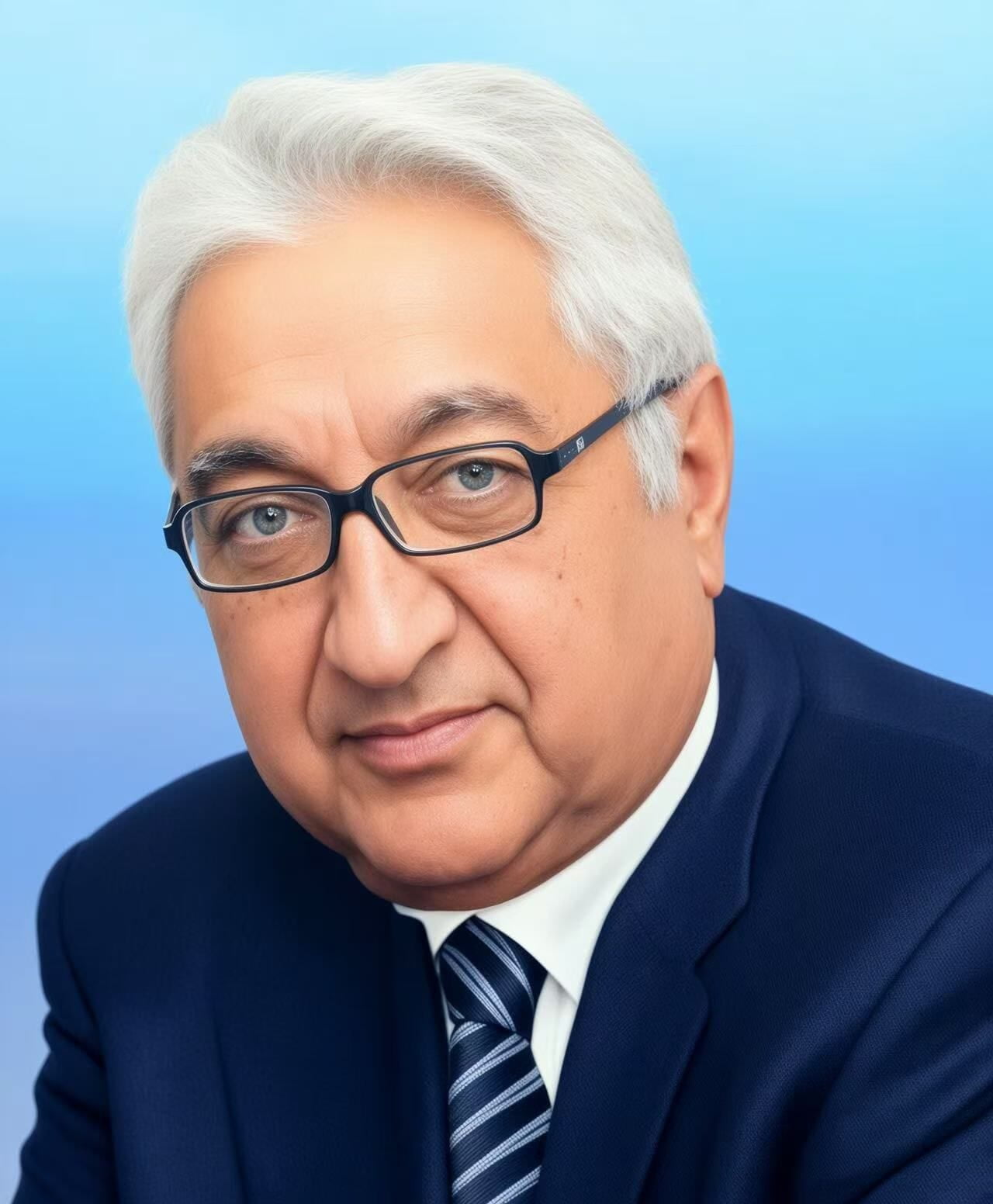
Arif Pashayev

Arif Pashayev

Rector of the Azerbaijan National Aviation Academy,

Academician of the Azerbaijan National Academy of Sciences

Academician of: International Academy of Sciences/International Council for Scientific Development (Germany/Austria); Engineering Academy of Azerbaijan; International Transport Academy; International Academy of Engineering; International Ecoenergy Academy; International Academy of Informatization; International Academy of Astronautics. Honorary Academician of the Russian Academy of Natural Sciences.

Read more

Honored Scientist of Azerbaijan.

Public Positions:

President of the Azerbaijan Engineering Academy and Vice President of the International Academy of Engineering; President of the Innovation Association; Chairman of the Space Council of the Republic of Azerbaijan.

State Awards:

Laureate of the State Prize of Azerbaijan;

Orders: "Shohrat" (Glory);

"Sharaf" (Honor);

"Istiglal" (Independence).

International and Public Awards:

Medal "Inventor of the USSR"; Medal named after Academician Y. Mamedaliyev; Gold Medal of the International Biographical Centre (UK); Gold Star "Honor and Dignity" of the International Committee for Human Rights Protection; "Golden Badge" named after Nobel Laureate Pavlov of the International Academy of Sciences (Austria); Gold Medal of the World Intellectual Property Organization; Gold Medal of the Interstate Aviation Committee; Gold Medal of the International Academy of Engineering; Gold Medal "Science Without Borders" of the World Organization for Scientific Cooperation (Germany); Order "Engineering Glory" of the International Academy of Engineering; Gold Medal "Engineering Valor" of the Azerbaijan Engineering Academy.
Azerbaijan

Japan

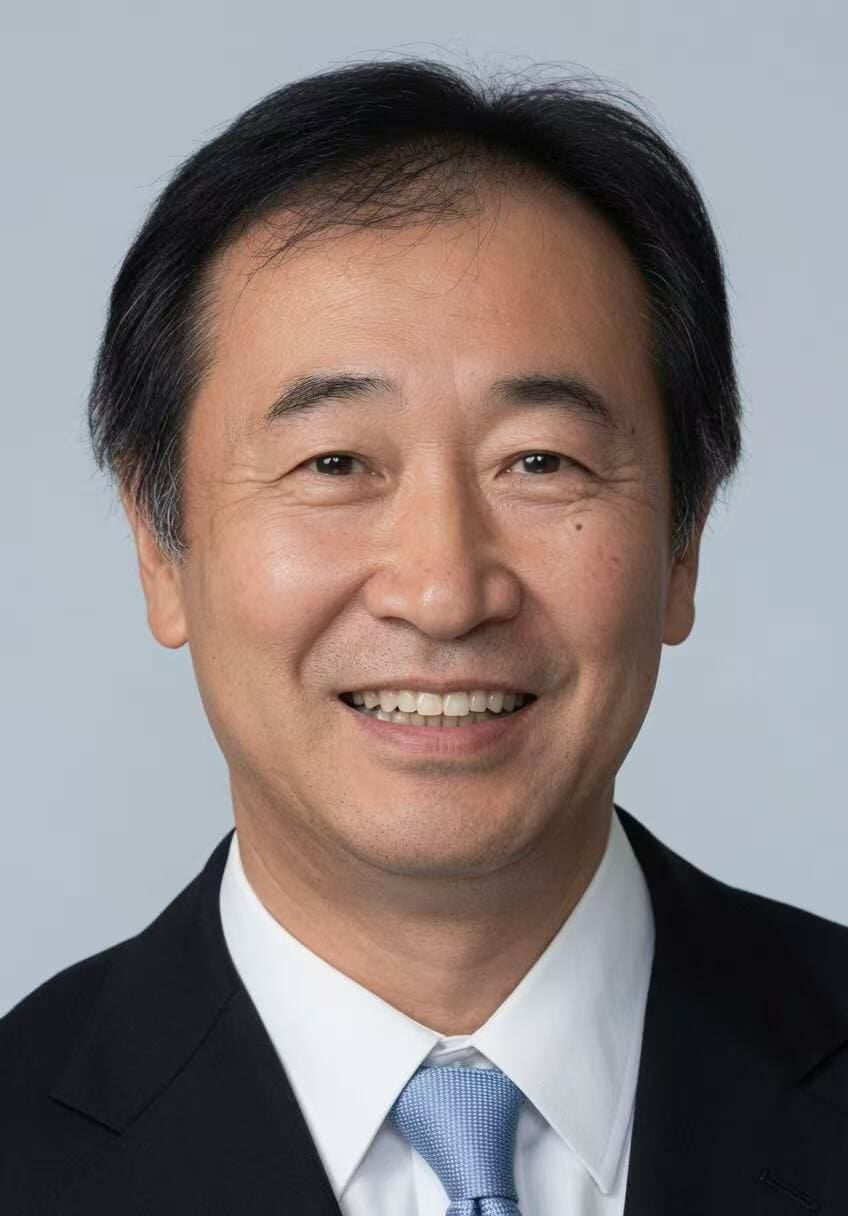
Takaaki Kajita

Takaaki Kajita

Nobel Laureate in Physics 2015

Honorary member (Honorary Academician)

of Asian Academy of Sciences

Distinguished University Professor, Nobel Laureate in Physics, Institute for Cosmic Ray Research of the University of Tokyo.

Read more

Takaaki Kajita was born in Higashimatsuyama, Saitama, Japan. He studied at Saitama University and at the University of Tokyo where he received his doctorate in 1986. His doctoral advisor was the future Nobel Laureate Masatoshi Koshiba.

Takaaki Kajita is the Distinguished University Professor at the University of Tokyo, and also was the Director of the Institute for Cosmic Ray Research (ICRR) of The University of Tokyo between 2008 and 2022. He was the President of the Science Council of Japan between 2020 and 2023.Kajita received his Ph.D. from The University of Tokyo, School of Science in 1986. He has been researching at Kamiokande and Super-Kamiokande detectors at the Kamioka Observatory in central Japan.

In 1998, at the Neutrino International Conference held in Takayama, Japan, he showed the analysis results which provided strong evidence for atmospheric neutrino oscillations. In 2015 he shared the Nobel Prize in Physics for his role in discovering atmospheric neutrino oscillations. Currently, he is the PI of the KAGRA gravitational wave project.

Japan

Kazakhstan

Olzhas Suleimenov

Olzhas Suleimenov

Co-Chairman of the Council of Elders of the International Union of Non-Governmental Organizations "Assembly of Peoples of the World"

Honorary member (Honorary Academician) of Asian Academy of Sciences

Professor, Director of International Centre for Rapprochement of Cultures under the auspices of UNESCO (Category 2) in Almaty. Director of International Centre for Rapprochement of Cultures under the auspices of UNESCO (Category 2) in Almaty.

Read more

State Awards: “Hero of Labor” of Kazakhstan, holder of numerous other Kazakhstan’s State distinctions, as well those of the Soviet Union: Order of the Badge of Honor (1980); Order of the Red Banner of Labor (1984); Order of the October Revolution (1986); Azerbaijan: Order of "Shukrat" (2006), Order of “Dostlug” (2011); Japan: Imperial Order of the Rising Sun with Golden Rays, 2017; France: Chevalier de l’Ordre des Arts et des Lettres; France: Officier de la Legion d’Honneur (2022); Russia: Order of Friendship (2006); Ukraine: Order of Yaroslav the Wise, (2006). Kazakhstan: State Prize for Peace and Progress by Decree of the President of the Republic of Kazakhstan (2013); the highest achievements in the humanitarian sphere, 2021.

Kazakhstan

Kyrgyzstan

Akylbek Japarov

Akylbek Japarov

First Chairman of the Cabinet of Ministers of the Kyrgyz Republic – Head of the Presidential Administration of the Kyrgyz Republic (Honorary lifetime title)
Chairman of the Council on International Infrastructure and Strategic Initiatives of the AAN

Read more

Doctor of Economic Sciences, Professor, Full Member (Academician) of the Academy of Natural Sciences of Russia; Honorary Professor of Zhusup Balasagyn Kyrgyz National University; Honorary Professor of Osh State University; Honorary title «Honored Economist of the Kyrgyz Republic; Professor of the Kyrgyz Economic University named after M. Ryskulbekov.

Previous positions:

Acting Minister of Finance, Minister of Economy and Finance, then Minister of Economy of Kyrgyzstan (2005-2007); Minister of Economic Development and Trade of the Kyrgyz Republic (2007-2009); First Deputy Prime Minister of the Kyrgyz Republic (2009-2010); Deputy and Chairman of the Committee on Budget and Finance of the Parliament of Kyrgyzstan (2010-2011); Minister of Finance of Kyrgyzstan (2011-2012); From June 1 to October 12, 2021 – Deputy Chairman of the Cabinet of Ministers – Minister of Economy and Finance of the Kyrgyz Republic; Chairman of the Cabinet of Ministers – Head of the Presidential Administration of the Kyrgyz Republic 2021-2024).

Kyrgyzstan

Pakistan

Atta-ur-Rahman

Atta-ur-Rahman

UNESCO Science Laureate

Honorary member (Honorary Academician) of Asian Academy of Sciences

Academician, Chinese Academy of Sciences; Academician, Pakistan Academy of Sciences; Honorary Life Fellow, Kings College, University of Cambridge; Professor Emeritus; Patron-in-Chief, International Centre for Chemical and Biological Sciences University of Karachi; President , Network of Academy of Sciences in Countries of Organizations of Islamic Conferences.

Read more

Education: University of Karachi, Karachi, Pakistan: B.Sc. (Hons) (Chemistry), 1963, M.Sc. (Organic Chemistry), 1964; Cambridge University, UK: Ph.D. (Chemistry), 1968, Sc.D. 1987 (Cantab).

Previous Positions Held: Federal Minister of Science and Technology, Government of Pakistan (2000-2002); Federal Minister of Education (2002); Chairman of the Higher Education Commission (HEC) (Federal Minister) (2002-2008); Coordinator General of COMSTECH (OIC's Ministerial Committee); Chairman of the Prime Minister's Task Force on Science and Technology (2019); Co-Chairman of the Prime Minister's Task Force on Information Technology and Telecommunication (2018); President of Pakistan Academy of Sciences (2003-2006; 2011-2014); Vice President of The World Academy of Sciences (TWAS) (2010-2013); Advisor to the Prime Minister of Pakistan and Federal Minister (Acting) for the Ministry of Science and Technology, Government of Pakistan (2003-2004).

Pakistan

Republic of Korea

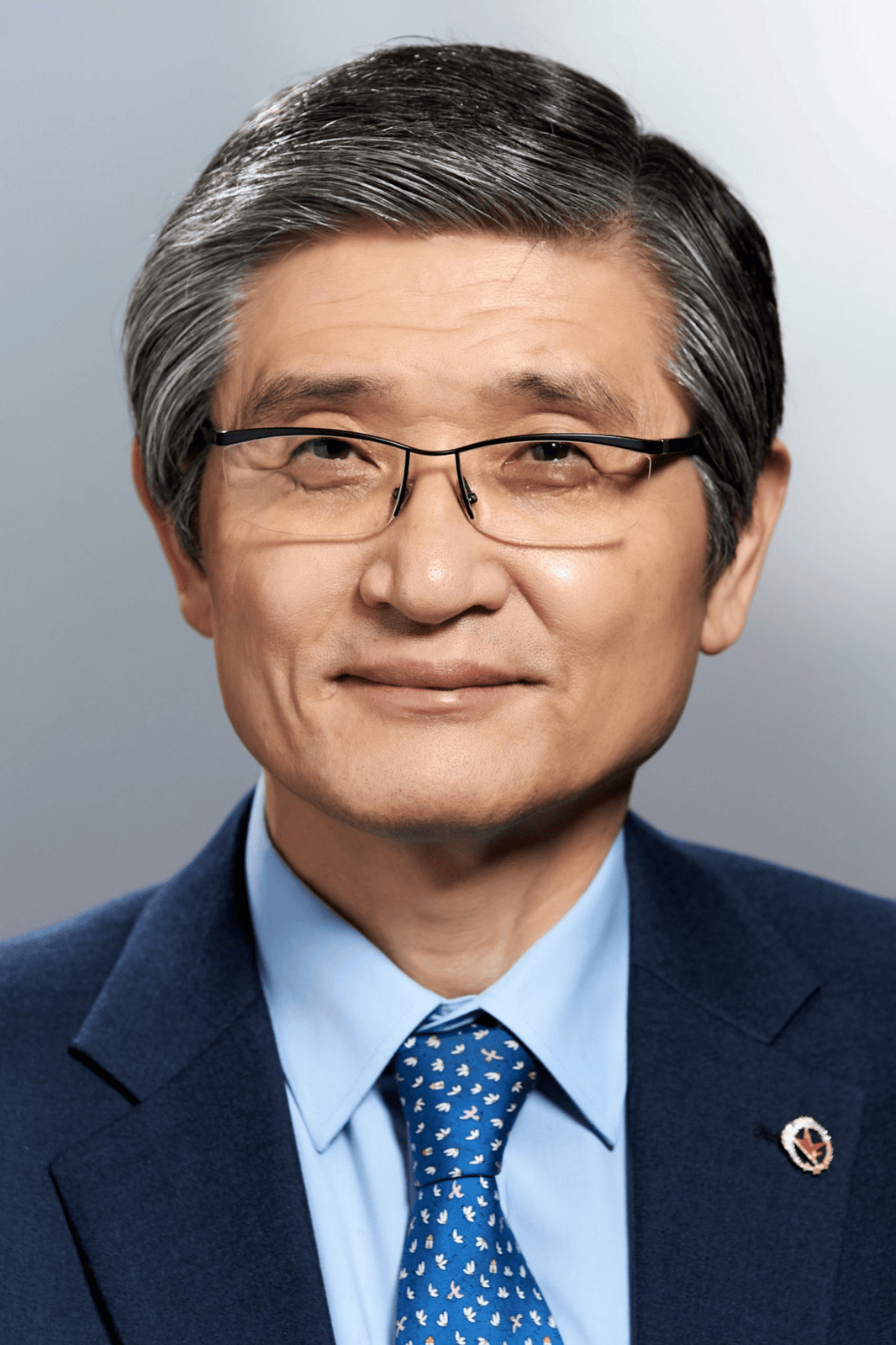
Rae Kwon Chung

Rae Kwon Chung

Honorary member (Honorary Academician) of Asian Academy of Sciences

Nobel Peace Prize Winner (2007, as a member of the IPCC)

Chairman of the International Committee of the Global Energy Prize, Director of the Ban Ki-moon Foundation (Republic of Korea), Honorary Professor of Incheon National University

Read more

RATIONALE

The Asian Academy of Sciences recognizes Professor Rae Kwon Chung as an Honorary Academician in recognition of his outstanding contributions to science, international cooperation, and the advancement of sustainable development in Asia and worldwide.

SCIENTIFIC AND PUBLIC ACHIEVEMENTS

In 2007, Professor Chung was awarded the Nobel Peace Prize as a member of the Intergovernmental Panel on Climate Change (IPCC) and Lead Author of its Special Report on Technology Transfer. His efforts in accumulating and disseminating knowledge on anthropogenic climate change laid the foundation for global countermeasures.

Professor Chung is the author and active advocate of the Low Carbon Green Growth concept, which views climate action as a driver of economic development and job creation. This paradigm is fully aligned with the strategic objectives of the Asian Academy of Sciences.

CAREER MILESTONES

Professor Chung has held key positions in the South Korean government and international organizations. He served as Minister of Foreign Affairs and Trade for the Republic of Korea, as Korea's first Climate Change Ambassador, and as Director of the Environment and Development Division at UN ESCAP. He was also a Senior Adviser to the UN Secretary-General on Climate Change.

SIGNIFICANCE FOR THE AASс

The election of Professor Chung as an Honorary Academician of the AAS would be a well-deserved recognition of his outstanding contribution to science and the global community, and would serve as a powerful source of inspiration for scholars across Asia, particularly in the fields of sustainable development and climate policy.

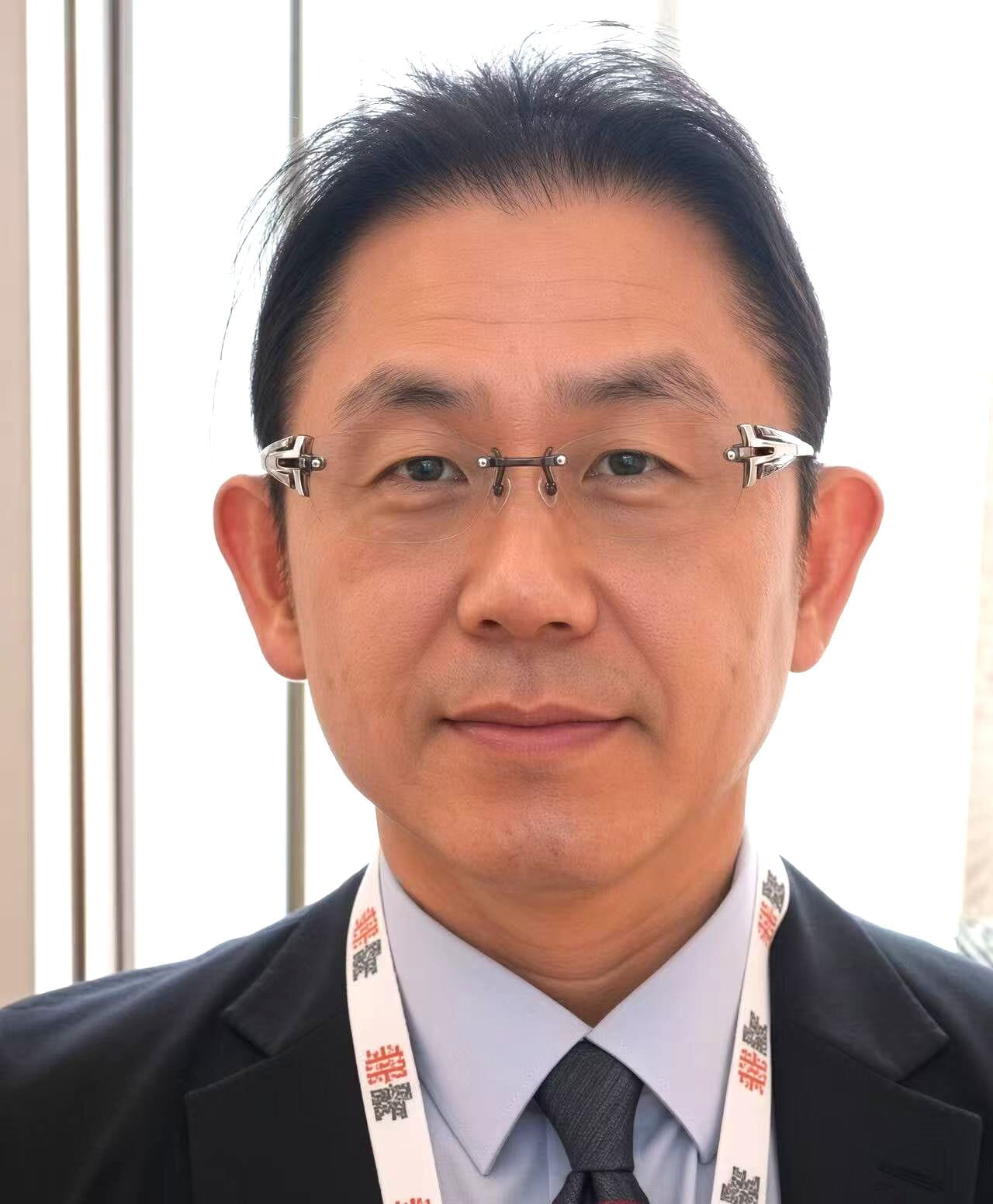
Giro-Kai Hong

Giro-Kai Hong

Honorary member (Honorary Academician) of Asian Academy of Sciences

Professor Emeritus, Hankuk University of Foreign Studies, Ph.D.

World-renowned Theoretical Physicist | Founder of "Qiosmotic Dynamics."
Specialization: Quantum AI architecture; Information physics.
Education:
- University of Michigan,

Read more

- Columbia University,

- Massachusetts Institute of Technology,

- Princeton University.

Executive profile:

Dr. Giro-Kai Hong is a transdisciplinary theorist whose work spans physics, philosophy, cognitive science, and technological design. Trained within one of the most intellectually dense constellations of 20th-century thought—including Noam Chomsky, Philip Morrison, and Gian-Carlo Rota—he has pursued a lifelong project: the integration of logical, physical, and cultural systems into a unified framework. His current work, Qiosmosic Dynamics, proposes a post-binary paradigm in which reality is understood as a field of quantum-informational waves (qi), giving rise to a new architecture for both physics and computation. This framework addresses foundational problems in quantum theory while offering a low-energy alternative to contemporary AI infrastructure.

The Qiosmosic Computational Architecture (9P-QM):

A novel quantum hardware paradigm—Nine-Palace Qubit Matrix—based on passive resonant computation.

Instead of binary switching, computation emerges through phase alignment and coherence formation.

• Targets orders-of-magnitude reduction in energy-per-inference

• Provides a pathway toward sustainable AI infrastructure

• Reframes computation as field dynamics rather than symbolic manipulation